Moving a vehicle into, out of, or across Corpus Christi sounds simple until the real variables hit you. The port, refineries, military movements from NAS Corpus Christi, winter Texans, and Gulf weather all influence routes and schedules. Add bridge clearances, neighborhood access for 80-foot rigs, and strict pickup windows at terminals, and the choice between door-to-door and terminal shipping becomes a practical decision with cost, convenience, and risk implications.
I have shipped vehicles along the Coastal Bend during storm seasons and peak snowbird months, handled last-minute relocations for oilfield crews, and arranged classic car transports to the island. Each time, the right choice came down to where the car could be safely loaded, how flexible the owner’s schedule was, and how the carrier priced the route. If you are weighing door-to-door against terminal service, knowing how each works in the Corpus Christi context helps you avoid delays and surprise fees.
What door-to-door actually means in Corpus Christi
Door-to-door sounds like a hauler idling at your curb. In reality, drivers try to get as close as safely and legally possible. In downtown and older neighborhoods, tight turns, low trees, and parked cars can make a full-length truck impossible to maneuver. In Flour Bluff, a long rig can struggle with certain residential loops. On North Padre Island, high winds on JFK Causeway sometimes put restrictions on tall loads. When the truck cannot access your street, the carrier will suggest a nearby wide lot, school, church, or big-box store as the meet point. That still counts as door-to-door because it is arranged around your location and schedule.
In most cases, door-to-door works smoothly in Corpus Christi. Subdivisions with wide streets are straightforward. Newer developments around Oso Bay often have better access. The main exceptions crop up near tight coastal neighborhoods, high-traffic arterial roads like South Padre Island Drive, or when city ordinances limit heavy vehicles. Drivers know common rendezvous spots along SPID and Staples, and they will coordinate a place that avoids towing risk and angry neighbors.
From a cost standpoint, door-to-door typically runs higher than terminal because the carrier pays for the time and fuel to navigate local streets, stage safely, and coordinate with you. That extra service is often worth it if your schedule is tight, if you prefer to be present for inspection, or if you are shipping a vehicle that should not sit outdoors in a lot.
How terminal service works along the Coastal Bend
Terminal shipping relies on a storage yard where vehicles can be dropped off and picked up during business hours. Some folks assume a major Gulf port guarantees plenty of car shipping terminals. It does not work that way. The Port of Corpus Christi focuses on bulk commodities and energy, not general automotive storage for consumer shipments. You will not find a public-facing terminal inside the port complex for standard car transport.
Instead, terminal options are typically third-party lots operated by towing companies or logistics yards on the outskirts of town or even in neighboring cities. You might be asked to deliver to a yard near U.S. 77 or 37, or in some cases to San Antonio if the carrier network does not maintain regular Corpus Christi terminals. That can erase the cost savings you were aiming for if you need to arrange your own towing or take a day off to drive.
Terminals can be practical when you cannot be present for a home pickup or when your neighborhood is off-limits to big trucks. They also help if a carrier needs to offload quickly due to hours-of-service limits, weather, or route changes. But they come with storage fees after a grace period, limited hours, and added risk of handling by multiple parties. When using a terminal, inspect at drop-off and pick-up with the same care as you would at your driveway, and keep paperwork organized because claims depend on precise condition reports.
The Corpus Christi map: routes, chokepoints, and what carriers prefer
Carriers like predictability. In Corpus Christi, major routes include I-37, SH 44, U.S. 77, and SH 358 (SPID). These corridors connect quickly to San Antonio, the Valley, and the Houston corridor. Most open carriers coming from Houston or San Antonio prefer pickups within a few miles of these arteries. Ask a driver where they want to meet and you will hear, “Keep me near SPID or I-37 if you can.”
Neighborhoods with wide access, such as newer parts of the Southside, often get true curbside service. Tighter zones near Ocean Drive can be a mixed bag, especially during events or construction. The island adds wind and causeway considerations. Large rigs sometimes stage near the mainland side and prefer not to cross during high winds. If you live on North Padre or Mustang Island, be prepared for a designated meet spot on the mainland on windy days. That does not mean door-to-door is off the table, just that flexibility keeps things moving.
When carriers price a job, they factor how far off-route your pickup or drop is, whether they can turn around easily, and regional demand. Seasonal migration along the Coast, university move-ins, and offshore project cycles can tighten capacity. Corpus Christi car shippers try to bundle loads heading through San Antonio or Houston. If you fall into their path, prices improve. If you are far out toward rural Nueces or San Patricio County, rates may rise unless you are willing to meet closer to a highway.
Cost differences you can realistically expect
Door-to-door generally costs more, but the gap varies. On an open carrier within Texas, the difference might be modest, often in the range of 50 to 150 dollars compared to a route anchored by a convenient terminal. On longer interstate hauls, the door-to-door premium can be similar in absolute dollars but a smaller percentage of the total bill. If a terminal is far from you, any savings can vanish after fuel, time, and potential storage charges. The cheapest quote is not always the lowest total cost by the time you are done.
Closed carriers, commonly used for exotics, classics, or freshly restored trucks, lean hard toward door-to-door because the clientele expects limited handling. Some enclosed operators avoid terminals altogether. If a terminal is used, it is often a specialty storage facility with higher fees and strict handling protocols, which erases any savings.
Corpus Christi car shipping and Corpus Christi car transport quotes also swing with fuel prices, weather, and lane balance. After a major Gulf storm or heavy rain spells, carriers may detour or slow down, tightening capacity. Expect less flexibility on price when trucks are either catching up or avoiding certain corridors.
Timing, scheduling, and how the Gulf weather plays you
Door-to-door depends on you and the driver syncing schedules. If you can provide a half-day window and a backup meet location, you will make yourself popular among drivers. They will often prioritize flexible customers, which can accelerate pickup. If your job ends at the refineries and you cannot step away, door-to-door can still work if you authorize someone else to release the vehicle or if you can park it in a safe, accessible lot.
Terminals absorb timing mismatches. If you are leaving town on Friday and the carrier cannot arrive until Sunday, dropping at a terminal buys you freedom. Be aware of weekend closures and after-hours fees. Some yards allow appointment-only weekend access, which may still be cheaper than taking additional time off work.
Weather adds a layer on the Gulf. Thunderstorms can halt loading for safety. High winds on the causeway may slow access to the island. With door-to-door, you and the driver dance around these issues in real time. With a terminal, you eliminate the need to be present, but you might incur extra days of storage if conditions delay the truck.
Condition of your vehicle and how that steers the decision
An inoperable car changes the math. Not all standard carriers will take inoperable units, and those who do often charge more and require winch access. Door-to-door works as long as the pickup point is safe for winching and the path is level. Terminals may have forklifts or better equipment for tough loads, but that is not guaranteed. Always confirm. If the vehicle leaks, has loose parts, or sits very low, an experienced carrier on a door-to-door job might be your best ally because you can communicate directly about ramps, boards, and clearance. If the car is a high-value classic, enclosed door-to-door is the norm in this market, even if it costs more, because you reduce touches and the chance of rock chips or salt spray.
Insurance, documentation, and where claims get tricky
Claims rely on clear condition reports and photos. With door-to-door, you and the driver walk the car together. You take photos at pickup and drop-off in good light. That shared moment solves most disputes before they become claims. With terminals, another set of hands enters the chain. A yard attendant may sign intake, then a driver picks up later. If you later see a scuff, both parties point to the other. It is solvable, but it takes paperwork and time. If you choose a terminal, photograph everything at drop-off, including close-ups of wheels, mirrors, roof, and bumpers, plus a wide shot showing the car in the lot.
Carriers carry cargo insurance, but deductibles and exclusions vary. Ask for a copy or a certificate, and confirm the coverage limit per vehicle. Brokers in Corpus Christi car shipping markets should be transparent about the motor carrier number and insurance details. When a price seems abnormally low, ask how much coverage is included, whether there is a per-incident cap shared across multiple vehicles on the trailer, and how supplemental coverage works if your car is worth more than the carrier’s limit.
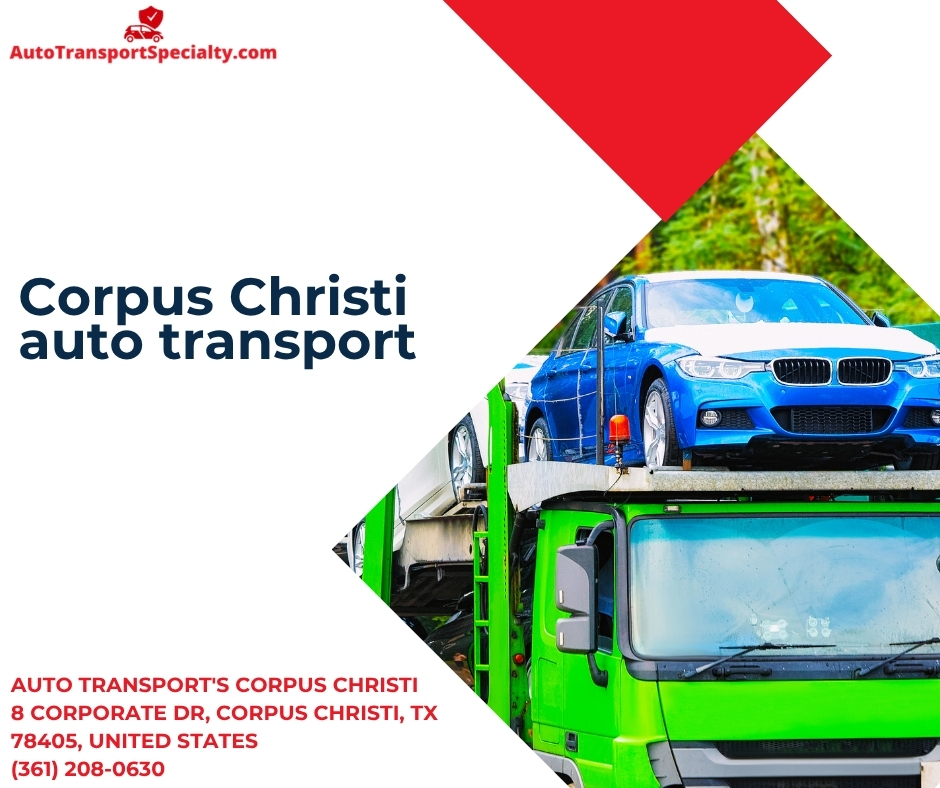
Security and storage reality at terminals
Not all terminals are equal. Some are fenced, lit, and monitored. Others are basic yards that rely on chain link and a gate lock. Carriers tend to avoid yards that create claims headaches, but you should still vet the facility. Ask about cameras, access logs, and business hours. Vehicles can sit for days if the route is slow or if a connecting truck is delayed. In Corpus Christi, weather or pipeline-related traffic surges can push schedules around. If your car is a theft target or has aftermarket parts, weigh that risk against the convenience of dropping it early.
Door-to-door eliminates the yard exposure, but only if you time pickup and delivery cleanly. Leaving a vehicle overnight in a grocery store lot for morning pickup is not a real plan. If you must stage the car outdoors, remove valuables, disable easy-release panels, and avoid telling social media where the car will sit.
How brokers and carriers differ, and why it matters to your choice
Many people call the first number they find and end up with a broker. There is nothing wrong with that. Good brokers add value, especially if you are not on a common lane. They tap a network of Corpus Christi car shippers and national carriers, match you to the right rig, and push for better timing. The catch is that some brokers will default to terminal service if they cannot nail down a driver for your address, or if they believe it will put your job on a truck faster. If you have a strong preference for door-to-door, say so early and put it in writing.
If you reach a carrier directly, you may get straighter answers on what the truck can do in your neighborhood, along with a realistic window. Carriers will tell you where they can safely stage. They may nudge you toward a meet spot that is practically door-to-door without the headaches. On price, brokers and carriers can be comparable. The deciding factor is communication quality. The best result comes when you or your broker speaks the carrier’s language: access notes, vehicle condition, flexible windows, and realistic pickup points.
Classic, lifted, and low-clearance vehicles around the Coastal Bend
Corpus is full of character cars, from island cruisers to lifted trucks that do better on the flats than on a low ramp. If you have a car with low chin spoilers, request a carrier with extended ramps or a liftgate. Door-to-door gives you real-time control over angles, boards, and surfaces. Terminals may help by offering level concrete and better visibility, but only if the facility allows extra time and the driver brings the right equipment.
Lifted trucks and roof racks raise overall height. Open carriers can handle tall vehicles to a point, but they manage stack heights carefully to avoid bridge and tree strikes. If your truck is exceptionally tall, tell the dispatcher the exact height from ground to the highest point. On North Padre and Port Aransas routes, tree limbs and ocean wind can complicate top-deck positions. An enclosed trailer solves exposure but has stricter height limits. When you are on the edge, the carrier may prefer a terminal with clear overhead to load carefully, or a wide parking lot near SPID where they can lay out boards without blocking traffic.
Avoiding the pitfalls that cause delays and re-delivery fees
Misunderstandings create extra charges. The most common one happens when a driver arrives at a dense neighborhood and cannot legally park. They call, you are in a meeting, and after 20 minutes they have to move. A re-delivery attempt may cost money, or they direct you to a meeting point much later than planned. You can sidestep this by proactively suggesting a wide, legal spot if your street is tight, then being reachable during the window.
Another pitfall is incomplete paperwork at terminals. Double-check the VIN, mileage, and noted damage at drop-off. If the clerk is rushed, ask them to slow down. A mismatched odometer entry can complicate insurance. Photograph the bill of lading with your phone so you have a copy if the yard misplaces theirs.
Lastly, fuel and battery issues derail schedules. Leaving a car with an almost-dead battery or near-empty tank is asking for a jump or winch fee. Most carriers want a quarter tank or less for weight reasons, but not fumes. If the vehicle sits at a terminal for days, a weak battery might die. A small battery tender before drop-off is a better plan than crossing your fingers.
When door-to-door wins, and when terminal makes sense
Both methods have their place in Corpus Christi. Each favors a certain profile of trip, vehicle, and owner.
- Choose door-to-door if you value oversight, have a flexible half-day pickup window, or the vehicle is high-value, low-clearance, or modified. It also suits anyone who wants the shortest chain of custody and the fewest touchpoints. Choose terminal service if your schedule is tight, you cannot be present, your neighborhood cannot stage a large truck, or you need a buffer between your travel date and the truck’s route. It can also help when storms loom and you want the car off your driveway promptly.
A practical way to compare quotes without getting burned
Gather a few quotes from established Corpus Christi car transport providers and one or two reputable regional brokers. Confirm that each quote reflects the same service type, the same pickup conditions, and the same timing expectations. Ask three pointed questions: What is the pickup window, where will the driver likely stage, and how do Auto Transport's Corpus Christi storage fees work if we switch to a terminal due to weather or access? Whoever answers crisply and in plain language probably runs a tighter ship. Price matters, but an extra 75 dollars often buys you fewer headaches.
When comparing Corpus Christi car shippers, do not chase large nationwide brand names automatically. Smaller carriers who run the Houston - San Antonio - Corpus triangle every week may offer more accurate timing and a cleaner handoff. If a quote is far below the rest, assume it comes with caveats: a broad pickup window, terminal drop, or the chance your load gets bumped by a higher-paying car.
Edge cases that deserve special handling
Military shipments, especially around NAS Corpus Christi, sometimes involve base access rules. Door-to-door on base may be restricted. Work with the transportation office to establish a meet point just outside the gate. Drivers need ID and sometimes background checks to enter, which most do not pursue for one-off pickups.
Flood-prone areas pose another wrinkle. If heavy rain is in the forecast and your street tends to pool, plan an alternate handoff on higher ground. Do not ask a driver to risk a loaded trailer through standing water. If the car sits very low, that water can also complicate loading. A terminal on higher ground could save you a week of waiting after storms.

Snowbird timing swings capacity. Southbound traffic surges mid-fall, and northbound surges late winter. If you are flexible, book just off-peak to shave costs. If you must travel with the crowd, lock a spot earlier and be ready to meet the truck near a highway to keep your rate in line.
What preparation looks like when done right
A well-prepped handoff, whether door-to-door or terminal, shortens loading time and reduces risk. About a week out, confirm operability, tire pressure, and battery health. Remove loose items and toll tags. Photograph the car in daylight from all sides, then close-ups of wheels and front fascia. Note windshield chips. Keep a spare key on a separate ring. If the car has quirks, write them down: ignition sequence, alarm behavior, or parking brake release location.
With door-to-door, scout two viable staging spots within a five-minute drive of your address, each with plenty of space and no low trees. Text the driver a pin and a screenshot. With a terminal, call the yard to confirm hours and whether they allow you to unload personal items there. Some do not.
The rest is communication. Answer the driver’s check-in calls, send a quick message if you are running late, and keep it friendly. Carriers remember easy customers and will often go the extra mile when traffic or weather gets messy.
Final perspective
Corpus Christi has a workable infrastructure for both door-to-door and terminal vehicle shipping, just not in the polished, consumer-facing way people expect from larger metro hubs with multiple public terminals. The gulf between the two options is less about marketing terms and more about logistics on the ground: street access, causeway winds, security at the yard, and how much control you want over the handoff. Door-to-door fits owners who value eyeballs on the process and fewer handoffs. Terminal service fits those who need timing flexibility and cannot meet a truck.
If you approach Corpus Christi car shipping with a clear-eyed view of these trade-offs, align on details with your broker or carrier, and prepare the vehicle properly, either path can be smooth. The right choice is the one that respects your schedule, your neighborhood, and your vehicle’s needs, while keeping you in a strong position if something goes off-script. That is the real difference, and it is the part you can control.
Contact Us:
Auto Transport's Corpus Christi
8 Corporate Dr, Corpus Christi, TX 78405, United States
Phone: (361) 208-0630